Tabla Rhythm Beat

Mason O'Donnell
| 19-12-2025
 · Art Team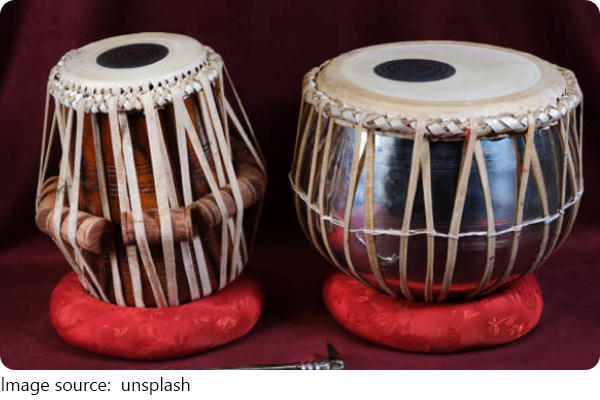
Music has a way of moving us, and few instruments capture rhythm and emotion like the tabla. Today, we are exploring this iconic percussion instrument from India, known for its distinctive sounds and incredible versatility.
The tabla is more than just a drum—it’s a bridge connecting rhythm, culture, and emotion. For centuries, musicians have used the tabla in India, neighboring countries like Nepal and Bangladesh, Sri Lanka, and even parts of Indonesia.
Its unique sound can instantly transform a simple melody into an expressive, captivating performance. By understanding its basics, we can truly appreciate how this instrument shapes classical, folk, devotional, and even modern fusion music.
The Anatomy of Tabla
We can start by looking at what makes the tabla so unique. It is actually a pair of drums, each with a distinct role. The smaller drum, called the Dayan or Tabla, is played with the right hand and produces high-pitched, crisp tones. The larger drum, called the Bayan, is played with the left hand and creates deep, resonant bass sounds.
Each drum has a stretched animal-skin membrane, and the black circle at the center, called the syahi, allows the drum to produce different pitches depending on where and how it is struck. By using fingertips, the base of the palm, or even the edge of the hand, and adjusting pressure, we can create a wide range of tones. This makes the tabla not only a rhythmic instrument but also a melodic one, capable of expressing complex emotions.
How We Play It
Playing the tabla is an art of precision and expression. Every hit, known as a bol, represents a specific sound. When we combine these bols, we form rhythm patterns called theka. These patterns repeat in cycles called avartan, which give structure to the music. We often improvise within these cycles, adding personal flair while keeping the rhythm intact.
For example, pressing the palm of the left hand on the Bayan and sliding it forward changes the drumhead tension, producing a rich, modulated tone. Each variation can convey energy, calmness, or even a sense of suspense. Watching a skilled tabla player is like seeing a conversation unfold, where every hand movement and tap tells a story.
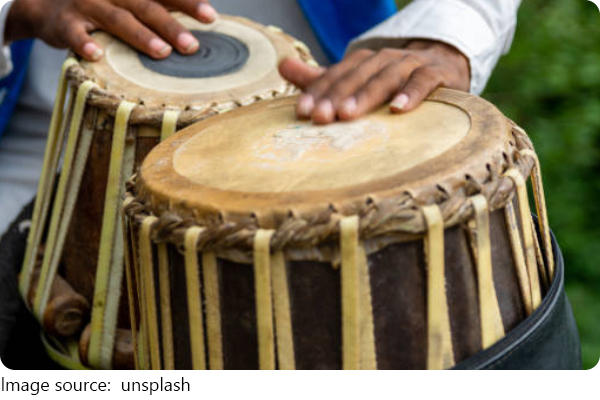
Tabla in Music
We notice that the tabla is central to classical music traditions of northern South Asia. It does more than accompany melodies; it guides other instruments and adds depth to vocal performances. Typically, it is paired with sitar, harmonium, or even flutes, providing a rhythmic foundation while leaving room for improvisation. Beyond classical music, the tabla also appears in folk traditions, devotional music, and contemporary fusion projects.
For instance, in modern collaborations, tabla rhythms are blended with jazz, electronic, and world music, showing how versatile and timeless this instrument can be. The tabla allows us to explore music in ways that are both traditional and innovative.
Why We Love It
We can’t ignore the cultural and emotional significance of the tabla. Feeling its vibrations through our hands, hearing the tonal shifts, and witnessing improvisation makes playing it a fully immersive experience. Learning even simple rhythms can improve focus, hand-eye coordination, and patience. It’s not just about playing music—it’s a meditative practice that connects the mind, body, and emotions.
The tabla encourages creativity and self-expression. When we master a rhythm or invent our own variation, it brings a sense of accomplishment and joy that few other instruments offer.
Getting Started
For those curious, starting with tabla is easier than it seems. We can find beginner lessons online, join local music schools, or even start with a small practice drum at home. Simple daily practice of bols can help us understand rhythm and hand coordination. Over time, we can learn to play entire thekas and even improvise. Patience is key—the deeper beauty of the tabla unfolds gradually, as we listen closely, experiment with sounds, and feel every beat. Many learners find that even 15 minutes of practice a day can create noticeable improvement and make music more enjoyable.
Experiencing the Tabla
We also gain a unique cultural perspective through the tabla. Attending a live performance, whether in a temple, concert hall, or festival, allows us to feel the energy of the rhythms in real time. The interplay between Dayan and Bayan, combined with the improvisation of a skilled player, creates an almost hypnotic effect. We feel the pulse of centuries of tradition and creativity. For anyone interested in music, attending a tabla performance can be as enlightening as learning to play it ourselves.
Final Thoughts
The tabla is more than a percussion instrument—it opens a door to rhythm, culture, and personal expression. By exploring its sounds, techniques, and rhythms, we can enjoy music in a deeper, more meaningful way and connect with centuries of tradition. Listening to its rich tones, practicing its rhythms, or performing alongside others allows us to feel every beat and experience the unique magic it brings. Let’s lift our hands and step into the captivating world of the tabla, letting its rhythms inspire and energize us every day!
SHIV TANDAVA STOTRAM || POWERFUL TABLA EDITION
Video by thetablaguyy