Mechanized Farming

Naveen Kumar
| 05-02-2026
 · Information Team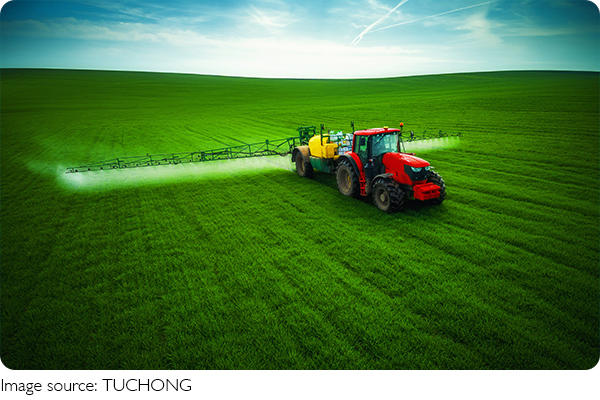
Walking past a sprawling farm, it's impossible not to notice the hum of tractors, harvesters, and planters moving in perfect rhythm.
What once took days of manual labor can now be done in a fraction of the time, thanks to mechanized agriculture.
These machines don't just make work faster—they reshape how farmers plan, manage, and harvest their crops, improving efficiency and productivity in ways that were unimaginable just decades ago.
Plowing and Soil Preparation Made Faster
Traditionally, preparing a field for planting involved long hours of manual labor with hand tools or animal-drawn plows. Mechanized plows and tillers can cover large areas quickly, breaking up soil, aerating it, and making it ready for seeds. This not only speeds up the process but ensures more consistent results.
Practical tips:
1. Use a tractor with adjustable plow depth to suit different soil types.
2. Plan field layouts in advance to optimize machine movement and reduce fuel use.
3. Schedule soil preparation based on weather conditions to prevent soil compaction.
For example, a 50-acre farm that once required a week of manual plowing can now be prepared in a single day using a modern tractor, freeing time for other crucial tasks.
Efficient Planting and Seeding
Precision planters and seed drills ensure seeds are distributed evenly, at the correct depth, and with proper spacing. This reduces waste and improves germination rates, which directly boosts crop yield. Manual sowing simply cannot match this level of precision.
Practical tips:
1. Calibrate your seeder regularly to maintain accurate spacing.
2. Use GPS-enabled planters for large fields to maximize coverage efficiency.
3. Combine planting with fertilizer distribution to reduce trips across the field.
For instance, corn seeds planted using a GPS-guided machine have a higher survival rate and produce more uniform growth than seeds sown by hand, which may vary in depth and spacing.
Harvesting at Record Speed
Harvesting is often the most time-sensitive part of farming. Mechanized harvesters cut, thresh, and collect crops rapidly, reducing the chance of loss from weather or pests. These machines allow farmers to bring in large volumes quickly and with minimal labor.
Practical tips:
1. Monitor crop maturity closely to schedule the harvester at peak readiness.
2. Regularly maintain blades and moving parts for smooth operation.
3. Train operators to adjust settings for different crop types to maximize efficiency.
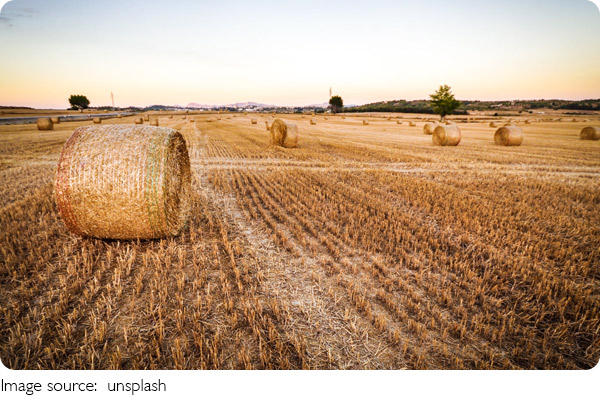
A wheat field that once took a team of 20 workers a week to harvest can now be completed in one day with a combine harvester, demonstrating the enormous time savings mechanization provides.
Reducing Manual Labor and Physical Strain
Mechanized agriculture significantly decreases the physical effort required in the field. Fewer workers are needed, and those who operate machines face far less strain than those performing repetitive manual tasks. This allows labor to be used more strategically and reduces fatigue-related mistakes.
Practical tips:
1. Rotate operators during long shifts to prevent fatigue and maintain productivity.
2. Use ergonomic tractors and cabins with suspension to reduce physical strain.
3. Schedule maintenance breaks for both equipment and operators to prevent burnout.
For example, a team of four workers operating a modern machine can perform the same work that used to require 20 people, freeing human resources for crop monitoring, pest control, or other management tasks.
Data and Precision Farming
Modern mechanized systems often come with sensors and GPS technology, allowing farmers to track performance, monitor soil health, and plan field operations with incredible accuracy. This integration of technology means machines aren't just faster—they're smarter.
Practical tips:
1. Collect data on fuel usage, soil conditions, and crop yield to optimize future planting.
2. Use sensors to identify areas that need extra care, reducing resource waste.
3. Adjust machine settings based on real-time data for maximum efficiency.
For instance, tractors equipped with soil moisture sensors can adjust fertilizer and irrigation delivery automatically, improving growth while conserving resources.
Mechanized agriculture has transformed farming from a physically exhausting, time-intensive process into a precise, efficient, and data-driven operation. By accelerating plowing, planting, and harvesting, reducing labor strain, and integrating technology, it allows farmers to produce more while spending less time on repetitive tasks. Embracing mechanization isn't just about convenience—it's about empowering farmers to work smarter, manage resources more effectively, and focus on improving the overall health and yield of their fields. Each machine hums not only with energy but with the promise of a more productive future.