Table Lamp

Raghu Yadav
| 12-02-2026
 · Lifestyle Team
A cozy corner or bedside table isn't complete without the right lighting. A table lamp does more than illuminate—it sets the mood, complements décor, and can even make daily tasks easier.
Choosing the right lamp might seem simple, but several factors can make a big difference in both function and style. Here's a detailed guide to help you select a table lamp that fits your space perfectly.
Determine the Lamp's Purpose
Before browsing designs, consider what you'll use the lamp for. A lamp for reading has different requirements than one meant for ambient lighting.
Tips for identifying purpose:
1. Task lighting: Use adjustable lamps with focused light for reading or working.
2. Ambient lighting: Softer shades and diffused bulbs create a relaxing atmosphere.
3. Accent lighting: Highlight décor or create mood with colored or decorative lamps.
Practical example: Place a bright LED lamp with adjustable angles next to a reading chair to avoid straining your eyes during long reading sessions.
Consider the Lamp Size and Proportion
Size matters as much as style. A lamp too tall can overpower a small table, while a tiny lamp may look lost on a large surface.
Tips for choosing size:
1. Table height: Ideally, the lamp's base plus shade should reach eye level when seated.
2. Table surface: Ensure the lamp doesn't crowd other items or limit usable space.
3. Shade width: A wider shade distributes light evenly; a narrow shade directs light more precisely.
Practical example: For a 24-inch high bedside table, a lamp between 24–28 inches tall keeps proportions balanced and comfortable for reading.
Choose the Right Light Bulb and Brightness
The bulb type affects brightness, energy efficiency, and mood. LED, CFL, and incandescent bulbs each offer different qualities.
Tips for bulbs:
1. LED bulbs are energy-efficient and long-lasting.
2. Choose brightness based on the lamp's purpose—task lamps need 400–800 lumens, ambient lamps can be 200–400 lumens.
3. Consider color temperature: warmer tones (2700–3000K) create cozy spaces, cooler tones (4000–5000K) improve focus.
Practical example: Use a warm LED bulb in a living room lamp to create a relaxing atmosphere while avoiding harsh, white light.
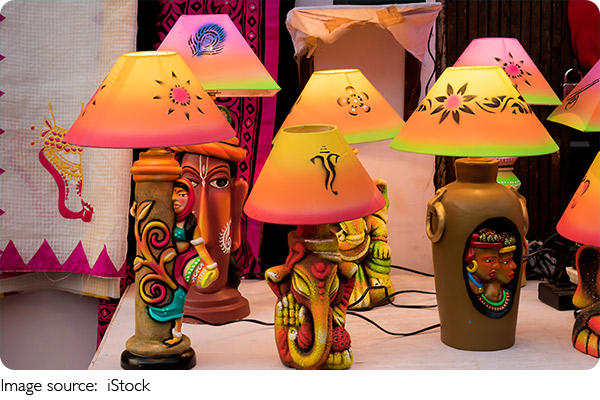
Select a Style That Matches Your Decor
The lamp's style should blend seamlessly with your home's aesthetic, whether modern, minimalist, vintage, or industrial.
Tips for matching style:
1. Material: Metal, wood, or ceramic bases create different moods.
2. Shape: Curved or geometric designs can complement the room's furniture lines.
3. Color: Pick shades and bases that harmonize with walls, furniture, and accessories.
Practical example: A sleek, black metal lamp with a simple white shade suits a minimalist living room, while a wooden base with fabric shade adds warmth to a rustic bedroom.
Think About Functionality and Flexibility
Some lamps offer adjustable heights, swiveling heads, or dimmer switches to customize light according to need.
Tips for functionality:
1. Adjustable lamps allow precise lighting for reading, crafting, or working.
2. Dimmer switches help set the mood without changing the bulb.
3. Touch or smart lamps add convenience in modern homes.
Practical example: A lamp with a dimmer on a nightstand lets you read comfortably at night without disturbing your partner with bright light.
Choosing the perfect table lamp involves more than just picking a pretty design. By considering purpose, size, brightness, style, and flexibility, you can find a lamp that enhances both function and ambiance in your home. With careful selection, your lamp becomes a centerpiece that lights up daily life and adds personality to any corner of your space.