Ballroom Dance

Declan Kennedy
| 30-03-2026
 · Art Team
Have you ever watched a couple glide across the dance floor in a perfectly synchronized waltz or samba, feeling the grace and elegance in every step?
Ballroom dance isn't just a performance; it's a centuries-old tradition that has evolved in fascinating ways, from grand ballroom gatherings to modern competitive arenas. But how did it all begin, and how has it transformed into the dazzling spectacle we see today?
Ballroom dance has come a long way from its humble origins, and understanding its evolution reveals much about societal changes, fashion, and the culture of different time periods. Let's take a deeper dive into the fascinating journey of ballroom dance.
The Origins of Ballroom Dance
The history of ballroom dance dates back to the 16th century, with early forms rooted in the aristocratic courts of Europe. These dances were initially more about socializing and status than artistry. In the early days, they were structured, formal events where the dances were often used as a way for the upper classes to display their wealth and sophistication.
1. The Renaissance and Baroque Era: Ballroom dancing began as court dances in the Renaissance period, with intricate patterns and movements. These dances were characterized by controlled steps, and the focus was on elegance and formality. During the Baroque era, dances like the minuet became popular. The minuet, a slow and graceful dance, was seen as a way to demonstrate refinement and poise.
2. The 18th and 19th Century: The late 18th century saw ballroom dance become more inclusive, with dances like the contredanse (a precursor to the English country dance) and the waltz making waves in Europe. The waltz was a turning point in the evolution of ballroom dance, as it allowed couples to dance in an intimate closed position, which was considered scandalous at the time! Despite this, the waltz grew in popularity and eventually became a staple of ballroom dance in the 19th century.
The Birth of Modern Ballroom Dance
As we moved into the 20th century, social and cultural shifts gave rise to the modern version of ballroom dance that we know today. The development of modern ballroom dance was influenced by both social changes and the creation of new musical styles. The popularity of ballroom dancing exploded in the early 1900s, especially with the rise of jazz and swing music.
1. The Golden Age of Ballroom (1920s-1940s): This period saw the standardization of many of the ballroom dances we recognize today, such as the foxtrot, quickstep, and tango. These dances were made popular in ballrooms and dance halls across Europe and America, where people flocked to learn these exciting new steps. The Charleston, a dance that reflects the energetic spirit of the Roaring Twenties, also made its mark during this period.
2. The Birth of Competitive Dance: The 1940s and 1950s saw the rise of ballroom dance competitions. Dancers began to formalize techniques, and organizations such as the International DanceSport Federation (IDSF) were created to establish rules and regulations for competitive ballroom dancing. These competitions brought structure and professionalism to ballroom dance and led to the creation of distinct dance styles, including the Latin and Standard categories.
The Evolution of Dance Styles in Ballroom
As the decades passed, ballroom dancing evolved further with new dance styles emerging, and existing ones being adapted. Today, ballroom dance consists of two major categories: Standard (or Smooth) and Latin dances.
1. Standard Dances: These dances are characterized by smooth, flowing movements and include the waltz, tango, foxtrot, Viennese waltz, and quickstep. The focus is on maintaining elegance, precision, and connection between partners as they move across the floor in a closed position.
2. Latin Dances: Latin dances are typically faster-paced, with sharp, expressive movements. This category includes the cha-cha, samba, rumba, paso doble, and jive. These dances are often more playful and full of passion, with an emphasis on individual expression and body movement.
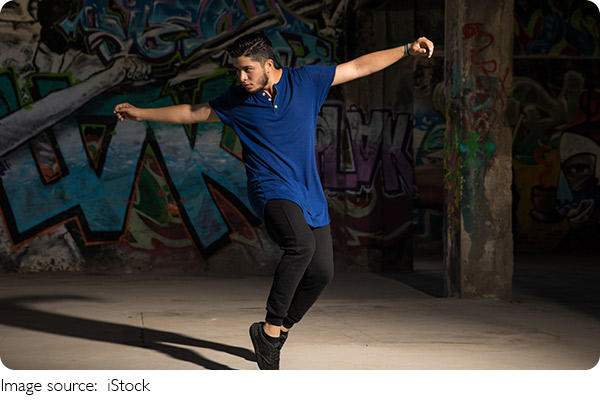
3. Other Influences: Over time, ballroom dance has incorporated elements from jazz, contemporary dance, and even hip-hop. The modern ballroom scene often sees a fusion of classical forms with newer, more energetic styles, which has helped to keep the art of dance fresh and relevant for new generations.
Ballroom Dance in Popular Culture
Ballroom dance has not only evolved in dance halls and competitions but has also made a huge impact on popular culture, thanks to TV shows and movies that have brought it into homes around the world.
1. Movies: Films like Dirty Dancing (1987) and Shall We Dance? (2004) introduced the passion and drama of ballroom dancing to millions. The intense chemistry between the lead characters and their dance routines made ballroom dance feel accessible and exciting, drawing a new audience to the dance floors.
2. TV Shows: The phenomenon of shows like Dancing with the Stars and So You Think You Can Dance brought ballroom dance back into the spotlight, combining dance with celebrity culture. These shows have popularized ballroom dance in the 21st century, making it more mainstream than ever before.
The Future of Ballroom Dance
As we look to the future of ballroom dance, it's clear that this art form will continue to evolve. With the rise of dance fusion (blending ballroom with styles like hip-hop and contemporary), ballroom dance is becoming even more diverse and inclusive. Additionally, the role of technology in dance is growing, with virtual classes, online competitions, and digital performances becoming increasingly popular.
In terms of competition, the rise of online streaming platforms and social media has allowed dancers to share their passion with a global audience, opening up new opportunities for both professionals and amateurs alike.
Reflection: Dance as a Universal Language
The evolution of ballroom dance is a testament to how art forms adapt and thrive over time. From its origins in royal courts to its modern-day status as both a competitive sport and a form of entertainment, ballroom dance continues to captivate audiences with its beauty, grace, and passion.
Whether you're a seasoned competitor or someone who simply enjoys watching the elegance of a waltz or the energy of a samba, the history of ballroom dance offers a rich tapestry of cultural shifts, creativity, and human connection. So, next time you hear a waltz or spot a couple twirling in a competition, take a moment to appreciate how far this incredible art form has come.