Paragliding Safety Tips

Pardeep Singh
| 03-04-2026
 · Sport Team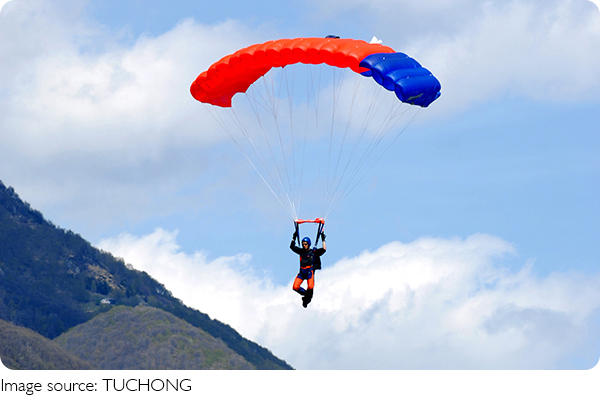
Paragliding offers a unique way to experience the skies, giving adventurers a sense of freedom and exhilaration as they soar above breathtaking landscapes.
However, as with any adventure sport, safety must be a top priority. Proper preparation, understanding the risks, and adhering to safety guidelines can make the difference between a memorable flight and a dangerous experience.
This article will guide you through key safety precautions every paraglider should follow to ensure a safe and enjoyable flight.
1. Check Your Gear Thoroughly
Before you take to the skies, it's essential to inspect all your equipment to ensure it's in proper working condition.
• Paraglider Wing: Always inspect the wing for any visible damage, such as tears or holes. Ensure that the lines are free from tangles and knots and that the brake handles are functioning smoothly.
• Harness: Ensure your harness is in good condition and that all buckles, straps, and connections are securely fastened. Adjust it to fit snugly but comfortably to ensure maximum control during your flight.
• Reserve Parachute: Make sure your reserve parachute is packed correctly and easily accessible. A reserve chute can be a lifesaver in case of emergency situations.
2. Weather Conditions Matter
The weather plays a significant role in the safety of your paragliding experience. Always check the weather forecast before your flight.
• Wind Conditions: Wind is one of the most crucial factors to consider. Paragliding in strong or gusty winds can lead to dangerous conditions, such as turbulence and uncontrolled flight. Avoid flying on windy days, especially when wind speeds exceed safe limits (typically 20 mph or higher).
• Storms and Precipitation: Do not fly in or near thunderstorms, rain, or snow. These conditions can cause poor visibility, turbulence, and even equipment failure. Always ensure clear skies and calm weather before launching.
• Temperature and Air Pressure: Extremes in temperature can affect your wing's performance, and sudden changes in air pressure can lead to unpredictable conditions. It's vital to monitor these factors, especially if you're flying at high altitudes.
3. Take a Pre-flight Training Course
While some may be tempted to jump into paragliding without prior knowledge, training is essential to understand both the theoretical and practical aspects of the sport.
• Professional Instruction: Ensure you receive proper training from a certified instructor. Learning about glider control, wind dynamics, emergency procedures, and flight patterns will not only make you a more confident pilot but also increase your chances of a safe flight.
• Ongoing Education: Even after completing your initial training, continue to learn and practice. Regularly attending courses and staying updated on new techniques and safety measures is a good way to ensure you remain informed and prepared.
4. Know the Launch and Landing Zones
Understanding where to launch and land safely is essential for minimizing risks during your paragliding adventure.
• Launching Area: Choose a launch site that is free of obstacles like trees, power lines, and buildings. It should be large enough to allow for a smooth take-off and have a clear view of the surrounding terrain.
• Landing Zone: Always plan your landing in advance. Ensure the area is free from hazards, such as traffic, animals, or other obstacles. Make sure the wind direction aligns with your landing approach to avoid crosswind landings, which can be dangerous.
5. Be Aware of Air Traffic
One of the most overlooked aspects of paragliding safety is maintaining awareness of other air traffic, including aircraft and other gliders.
• Maintain Safe Distance: Always keep a safe distance from other paragliders to avoid collisions. In busy areas, such as popular flying spots, be extra cautious and communicate with other pilots if necessary.
• Know the Airspace Rules: Before flying, familiarize yourself with the local airspace regulations. In some regions, you may need permission to fly in specific areas due to the proximity of airports or restricted zones.
6. Keep Calm During Emergencies
Despite all precautions, emergencies can still occur while paragliding. The key to surviving any unexpected situation is staying calm and knowing how to respond.
• Mid-air Adjustments: If you experience a sudden change in wind or encounter turbulence, adjust your position in the harness and focus on maintaining control of your wing. Keeping your body relaxed and avoiding panic will help you regain stability.
• Emergency Procedures: Know what to do in an emergency, such as activating your reserve parachute. Practice emergency landings during training, and always have a plan for when things go wrong.
7. Use Technology to Your Advantage
With modern technology, there are several tools available that can help increase your safety during paragliding.
• GPS and Flight Instruments: Use a GPS system and altimeter to track your flight, altitude, and location. These tools help you stay aware of your surroundings and ensure you remain within safe flying zones.
• Weather Apps: Download reliable weather apps that provide real-time data on wind speed, air pressure, and weather forecasts. Being well-prepared and informed will allow you to make better decisions before taking flight.
Conclusion: Safety First for a Thrilling Experience
Paragliding is a thrilling and rewarding sport that allows you to experience the world from a unique perspective. However, as with any adventure activity, it's crucial to prioritize safety to ensure a positive and enjoyable experience. By checking your gear, being mindful of weather conditions, undergoing proper training, and knowing emergency protocols, you can mitigate risks and enjoy the skies with confidence. Remember, the more prepared you are, the more you'll be able to focus on the incredible beauty and freedom that paragliding offers.