Sweet Watermelon & Mango

Chris Isidore
| 21-04-2026
 · Food Team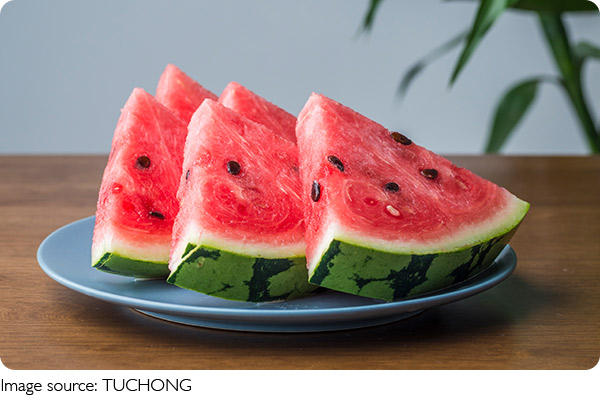
Nothing beats biting into a juicy watermelon or a ripe mango on a hot day.
But not every fruit at the store hits that perfect sweetness. With a few simple tricks, you can consistently pick the best, most flavorful options without relying on guesswork.
Here's how to tell which watermelon and mango will deliver that satisfying, natural sweetness.
1. Check the Watermelon's Field Spot
The creamy yellow spot where the watermelon rested on the ground indicates ripeness. A deep, rich yellow usually means the fruit has been on the vine long enough to develop sugars, while a pale or white spot may indicate under-ripeness.
Tip: Hold the watermelon and look for a firm, golden-yellow patch on the underside. Avoid ones that are mostly white or green in that area.
2. Look for Sugar Spots and Webbing
Sugar spots appear as small, rough patches on the watermelon's surface. Web-like brown lines show where sugars have leaked and concentrated, often a sign of extra sweetness.
Tip: A watermelon with a few sugar spots and light webbing usually tastes sweeter than a perfectly smooth, uniform rind.
3. Tap and Listen
A ripe watermelon has a deep, hollow sound when tapped, while under-ripe fruits sound dull or flat. This method works well when you compare a few melons side by side.
Tip: Use your fingers or knuckles to tap lightly and choose the one with the clearest, resonant tone.
4. Examine Mango Skin Color
While color isn't the only factor, a mango that shows bright hues—such as golden, red, or orange—often indicates ripeness. Avoid fruits that are mostly green, as they may not be sweet yet.
Tip: Check for uniform color with slight variation; minor dark spots are normal and usually mean the fruit is aromatic and ready to eat.
5. Gently Squeeze for Softness
A ripe mango yields slightly to gentle pressure, signaling juiciness inside. Overly firm mangoes are likely underripe, while very soft ones may be overripe or bruised.
Tip: Hold the mango and press gently near the stem end. It should feel tender but not mushy.
6. Smell for Aroma
Sweet, ripe mangoes emit a fragrant, tropical aroma near the stem. Watermelon is less aromatic but sometimes gives off a subtle sweet scent if perfectly ripe.
Tip: Bring the fruit close to your nose. A pleasant, fruity scent usually means it's ready to eat.
7. Weight Matters
A heavier watermelon or mango often indicates higher water and sugar content, which usually means juicier and sweeter fruit. Compare fruits of similar size to spot the heaviest option.
Tip: Pick up a few similar-sized fruits and select the one that feels dense and substantial for its size.
8. Check for Firmness and Skin Texture
For watermelons, the rind should be firm with no soft spots or cracks. Mangoes should have smooth, unwrinkled skin. Soft spots can signal overripeness or bruising.
Tip: Roll the watermelon and inspect it from all angles; gently press different parts to check for firmness.
9. Consider Shape and Uniformity
Watermelons with a symmetrical, even shape generally ripen more consistently. Irregular bumps or uneven shapes may indicate uneven sweetness inside.
Tip: Choose fruits that feel balanced and uniform in weight, which usually means a more consistent flavor.
10. Combine Techniques for Best Results
No single trick guarantees the sweetest fruit. Combining visual cues, touch, smell, and weight is the most reliable method. With practice, you'll quickly learn to pick the juiciest watermelon or mango every time.
Tip: Test a few fruits at the store and note which techniques work best. Over time, it becomes instinctive.
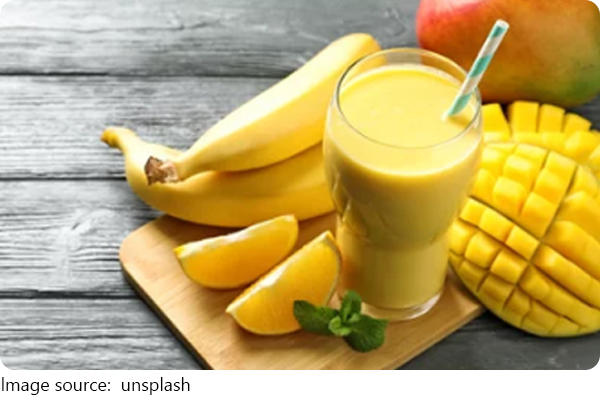
Selecting the sweetest watermelon and mango doesn't have to be a matter of luck. By observing color, texture, aroma, and weight, you can consistently enjoy fruits at their peak flavor. Next time you're at the market, try combining these techniques, and you'll never bite into a bland or watery fruit again. Once you taste that perfect sweetness, it's hard to settle for anything less.