Kitchen Herb Garden Guide

Amina Hassan
| 02-06-2026
 · Plant Team
Fresh herbs sitting on your kitchen counter, releasing their fragrance every time you brush past them?
They're beautiful, aromatic, and add incredible flavor to everyday cooking.
The best part is that most herbs are easy to grow, forgiving for beginners, and don't require a lot of space. You don't need a sprawling garden or advanced gardening skills to get started. Just a little intention, the right plants, and maybe a sunny windowsill.
Start With What You Actually Use
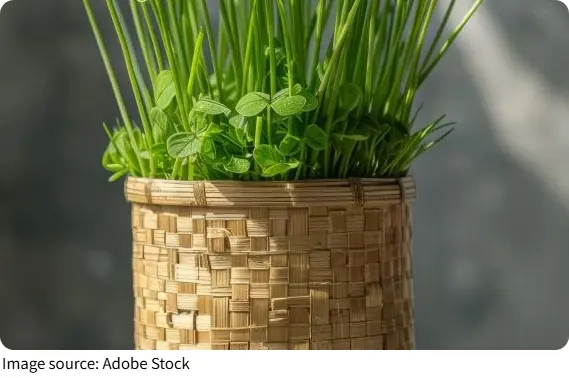
Don't plant something just because it looks cute in the nursery. A great rule of thumb is to begin with herbs you already cook with regularly. Growing herbs you enjoy using ensures they will not go to waste and makes harvesting feel purposeful. Common beginner favorites include basil, parsley, chives, thyme, rosemary, and mint. These herbs are versatile, widely used in cooking, and generally forgiving if conditions are not perfect. Think of the dishes you love making. Pasta? Grab basil. Roast chicken? Rosemary's your friend. Salads? Mint and chives bring life to boring greens.
Understand What You're Planting
Annual herbs, such as basil and cilantro, complete their life cycle in one growing season and often need to be replanted each year. Perennial herbs, including rosemary, thyme, chives, and lavender, can return year after year when grown in the right conditions. This little detail matters. If you're the type who wants to plant once and harvest forever, go perennial. If you like experimenting every season, annuals keep things fresh.
Give Them What They Need
Most herbs prefer at least 6 hours of full sun. Chervil, mint, chives, and cilantro can be grown in light shade. Herbs need well-drained soil. Drainage is probably the most important single factor in successful herb growing. Think of it this way: soggy roots are the fastest route to a dead plant. The "Mediterranean" herbs, such as basil, thyme, rosemary, oregano, and lavender, grow best on sunny, dry sites in light (sandy) soil.
For containers, choose containers with drainage holes and match container size to herb variety: 6-8 inch containers for vigorous growers like mint and basil, 4-inch containers for compact herbs like thyme. Larger containers were easier to manage and required less frequent watering.
Water Smart, Not Hard
Mint likes water, keep the soil humid. (put your finger in the soil, if it's wet, don't water it, but if it's feeling dry, water it) care: Do not allow to flower, snip off buds. On the flip side, Rosemary likes it on the dry side. Put your finger in the soil, when it's dry then water. Rosemary does not like it's roots to sit in water, so make sure the soil is draining well. The finger test is your secret tool. Stick it in the soil up to your knuckle. If it feels like a damp sponge, hold off. If it's dry as a desert, water away.
Multiply Your Herb Empire
If you want more mint, cut off a few sprigs and place them in a cup with some water. After a week, the roots will grow and you can plant it in soil. Herbs can be propagated from cuttings and division and when seeds are slow to germinate is the best way to create new plants. Tarragon, chives, and mint can be divided while cuttings work best for lavender. It's like cloning your favorite plant without any science degree required.
Put Them to Work
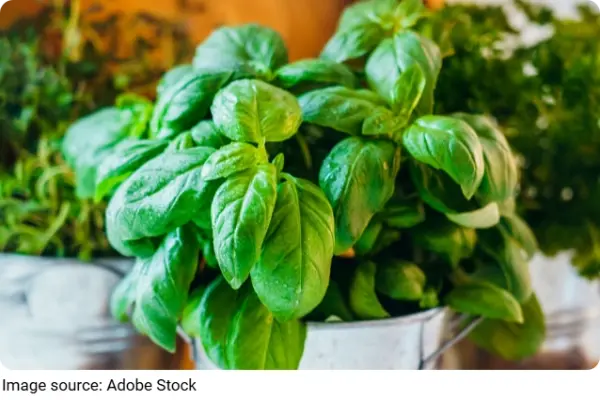
Basil combines well with tomatoes, peppers, eggplants, and zucchini. Works well in salads (tuna, greens, potato, egg). Also wonderful in pestos, salad dressings, and herb butter. Use with roast lamb, fish, or poultry and in salads, jellies, or teas. Also adds zing to peas, cucumbers, potatoes, eggplants, garlic, lettuces, carrots, beets, summer squashes, chili, legumes, tomatoes, fruits, ginger, and chocolate. Mint with chocolate? Trust it. Rosemary with potatoes? Life changing.
Growing your own herbs isn't just about saving a few bucks at the grocery store. It's about having living flavor right where you need it, when you need it. Start small, water when the soil tells you to, and let your kitchen become a little greener. Once you've tasted truly fresh basil on your pasta, there's no going back.