Easy Indoor Plants

Chris Isidore
| 22-07-2026
 · Plant Team
Greetings, Lykkers! Indoor plants do more than decorate a room.
They soften living spaces, create a stronger connection to nature, and contribute to a healthier indoor environment by increasing humidity and helping filter certain airborne compounds.
While every species has its own growing requirements, many adapt exceptionally well to life indoors, making them suitable even for those with little gardening experience. Successful indoor gardening begins with understanding a plant's natural habitat.
1. Monstera: A Tropical Foliage Favorite
Monstera has become one of the world's most recognizable indoor plants because of its large, glossy leaves that gradually develop dramatic splits and natural openings as they mature. These distinctive leaf patterns, known as fenestrations, help the plant withstand heavy rainfall and capture filtered sunlight in its native rainforest environment.
Originating from Central America, Monstera performs best in bright, indirect light, though mature plants can tolerate moderately shaded locations. Strong direct afternoon sunlight may scorch the foliage, causing brown or faded patches.
The growing medium should remain evenly moist but never saturated. Allowing the surface to dry slightly before watering helps prevent root problems associated with excessive moisture.
2. Spider Plant: Reliable and Easy to Propagate
Spider plant remains one of the most dependable houseplants for beginners. Its graceful, arching foliage creates an elegant display, while green and cream-striped varieties brighten interior spaces throughout the year.
As plants mature, they produce slender flowering stems bearing small white blossoms followed by miniature offshoots. These young plantlets develop roots while still attached to the parent, making propagation remarkably straightforward once they reach a suitable size.
Spider plants grow best under bright, indirect light but continue performing well under moderate indoor lighting. Water whenever the upper layer of the growing medium becomes dry, ensuring excess moisture drains freely.
Although they appreciate moderate humidity, they tolerate average household conditions better than many tropical species, making them an excellent choice for offices and homes alike.
3. Pothos: An Adaptable Indoor Vine
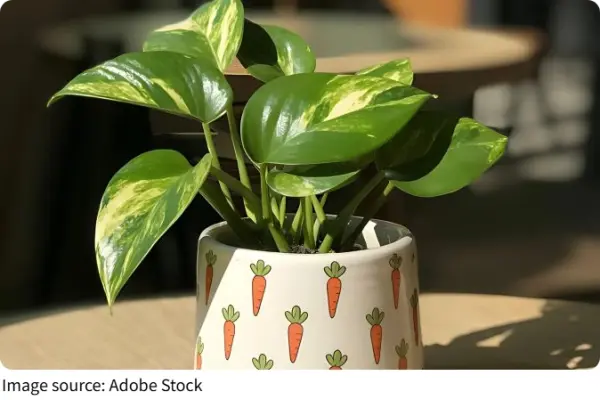
Pothos has earned its reputation as one of the easiest foliage plants to maintain. Its vigorous trailing stems carry heart-shaped leaves that range from deep green to golden, lime, or cream-variegated forms, depending on the cultivar.
This species adapts to a wide range of indoor lighting conditions, although bright filtered light produces fuller growth and more vibrant leaf coloration. Extended exposure to direct sunlight should be avoided, as it may bleach or scorch the foliage.
Water thoroughly once the surface of the growing medium begins to dry. The plant stores enough moisture within its stems to tolerate occasional missed watering, making it forgiving for busy households. Stem cuttings root readily, allowing new plants to be produced with minimal effort.
4. Philodendron: Diverse, Elegant, and Resilient
Philodendrons include hundreds of species displaying remarkable diversity in leaf shape, texture, and growth habit. Some develop compact clumps suitable for shelves, while others produce long climbing stems that readily attach to supports.
Native to tropical rainforests, these plants naturally grow beneath taller vegetation where sunlight is filtered through dense tree canopies. As a result, they perform exceptionally well under bright, indirect light while remaining tolerant of lower light levels than many ornamental foliage plants.
5. Rubber Plant: A Bold Architectural Accent
Rubber plant combines striking foliage with a strong upright form, making it an excellent focal point for interior spaces. Thick, leathery leaves may be solid green, deep burgundy, or attractively variegated, depending on the selected variety.
Native to Southeast Asia, this tropical species prefers bright, indirect light, where it develops stronger stems and richer foliage color. Low-light conditions often result in slower growth and increased leaf drop over time.
Consistent soil moisture is important, though the root system should never remain waterlogged. Stable indoor temperatures, moderate humidity, and routine fertilization throughout the growing season support healthy development. Because rubber plants dislike sudden environmental changes, they perform best when kept away from cold drafts and heating or cooling vents.
Creating the Right Indoor Environment
Regardless of species, long-term success depends more on environmental consistency than frequent intervention. Observe each plant and adjust watering according to seasonal growth rather than following a rigid schedule. Light intensity, room temperature, and humidity all influence how quickly the growing medium dries.
Inspect foliage regularly for early signs of pests such as spider mites or aphids, particularly during warm, dry conditions. Rotating plants periodically also encourages balanced growth by exposing all sides to available light. These simple maintenance practices help preserve healthy foliage and reduce the likelihood of common indoor growing problems.
A successful indoor garden begins with selecting plants that naturally adapt to household conditions. Monstera, spider plant, pothos, philodendron, and rubber plant have remained popular for decades because they combine ornamental appeal with dependable performance.
When provided with appropriate light, consistent watering, and a suitable growing environment, these species reward growers with vigorous foliage and long-lasting beauty.
Whether you are adding your first houseplant or expanding an existing collection, choosing resilient species is the best foundation for long-term success. Which of these easy-care plants will become the newest addition to your indoor garden?