Fridge Freshness Map

Amit Sharma
| 07-08-2026
 · Lifestyle Team
Hi, Readers! Opening a messy fridge can feel like stepping into a chilly treasure hunt, except the treasure is a forgotten tomato rolling behind a tub of leftovers.
A smarter fridge layout is not just about neatness. It helps food stay fresh longer, keeps flavors from mingling like uninvited party guests, and makes daily cooking much easier.
The key is to treat your fridge like a tiny apartment building where each shelf has a job.
Top Shelves
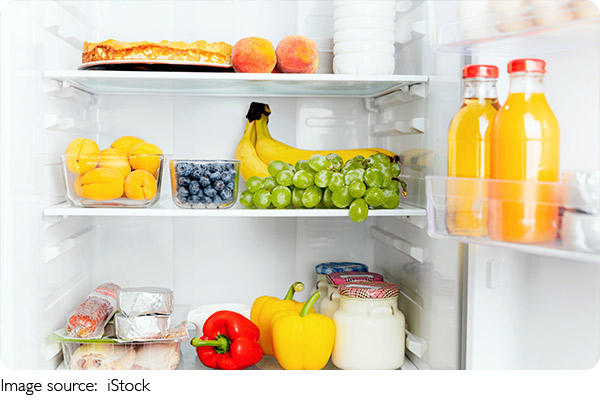
The top shelves are the most consistent area in the fridge, so they are a great home for ready-to-eat foods. Think leftovers, cooked grains, hummus, deli items, and snacks you plan to grab quickly. Since these foods do not need further cooking, keeping them up high makes them easy to see and easy to reach. It also helps avoid drips from other items landing where they do not belong, which is basically the fridge version of keeping clean laundry away from muddy shoes.
Middle Shelves
Middle shelves also work well for dairy products like milk, cheese, and yogurt, along with eggs if your fridge has a stable shelf space for them. This area stays cool and steady, which helps these foods keep their quality. If you store eggs here rather than in the door, they are less likely to deal with temperature swings every time the fridge opens. Tiny detail, big payoff.
Bottom Shelf
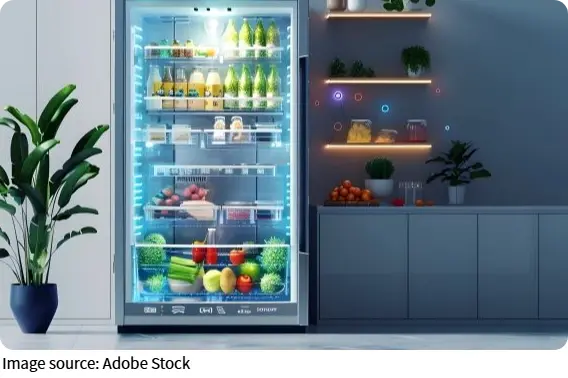
The bottom shelf is the coldest part of the fridge, and it should be reserved for raw meat, poultry, and fish in sealed containers or on a tray. This setup helps prevent leaks from dripping onto other foods. If the rest of the fridge is a peaceful neighborhood, the bottom shelf is the fenced yard where mess-prone items stay contained. Keeping these foods low and enclosed is one of the simplest ways to improve food safety at home.
Crisper Drawers
Crisper drawers are built to help fruits and vegetables stay fresh, but they work best when used with a little strategy. One drawer should be used for vegetables and the other for fruit if possible. Many drawers have humidity controls. Higher humidity usually suits leafy greens, herbs, and vegetables that wilt easily. Lower humidity is better for fruit, especially fruit that gives off ethylene gas, which can speed up ripening. Separating them helps reduce the chance of one item making another spoil too soon. It is like keeping the overachiever and the easily distracted classmate at different desks.
Fridge Door
The door is the warmest part of the fridge, so it is best for condiments, jams, pickles, and juices. These items can handle slight temperature changes better than more delicate foods. Milk and eggs are usually better kept inside on a shelf rather than in the door, even if the fridge includes those handy little compartments. The door may look convenient, but for highly perishable items it is a bit like living next to a drafty front entrance.
Simple Habits That Help
A well-zoned fridge works even better with a few easy habits. Keep foods in clear containers when possible so they do not vanish into the back like tiny cold cave explorers. Label leftovers so you know what needs to be eaten first. Avoid overpacking because cold air needs room to circulate. Wipe up spills quickly, and check contents regularly so older items get used before newer ones. Also, keep your fridge temperature at or below 40°F to support food safety and freshness.
A fridge does not need to look like a showroom to work well. It just needs a little logic, a little routine, and a clear place for everything. Try giving each shelf a purpose, and you may find your ingredients lasting longer, your meals coming together faster, and your fridge becoming less of a mystery box and more of a trusty kitchen sidekick.