Curtain Color Magic

Pardeep Singh
| 12-08-2026
 · Lifestyle Team
Hi, Readers! Choosing curtain color can feel like trying to pick the right topping for a giant dessert.
One tiny choice, and suddenly the whole thing either sings or sulks. Curtains do much more than cover windows.
They shape light, soften hard lines, add texture, and quietly tell the whole room what mood it should wear. When chosen well, they can make a space feel airy, cozy, polished, or delightfully relaxed.
A smart starting point is to look at the colors already living in the room. Curtains usually work best when they connect with something nearby, like the wall color, the rug, the sofa, or the bedding. If you want a calm and seamless look, choose curtains close to the wall color. This makes the room feel smooth and visually spacious, almost like the windows are dressed without making a dramatic speech. If you want contrast, pull a color from an accent pillow, artwork, or a patterned chair to help the curtains stand out while still feeling connected.
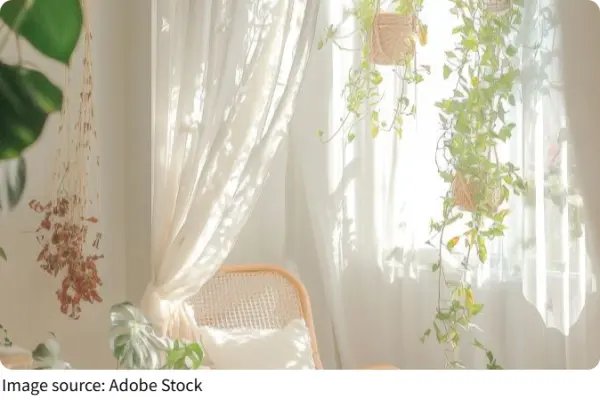
Living Room Mood
In the living room, curtains often act like the final puzzle piece that makes everything click. Neutral shades such as white, cream, beige, or gray are dependable because they blend with many styles and do not crowd the space. If the room already has colorful furniture or patterned decor, a neutral curtain can calm things down nicely. On the other hand, if the room feels a little sleepy, curtains in blue, green, terracotta, or another accent shade can bring life without taking over. Texture also matters here. Linen-style curtains feel relaxed and breezy, while velvet-like options feel richer and more dramatic.
Bedroom Comfort
Bedrooms usually benefit from curtain colors that help the mind exhale. Soft blues, gentle greens, warm neutrals, and muted pinks often create a restful atmosphere. Darker curtains can also work beautifully if you want the room to feel snug and sheltered, especially when paired with blackout lining for better light control. Matching curtains to bedding or a headboard can create a tidy, wrapped-up look. If the bedroom is small, lighter shades can help it feel less boxed in and more open.
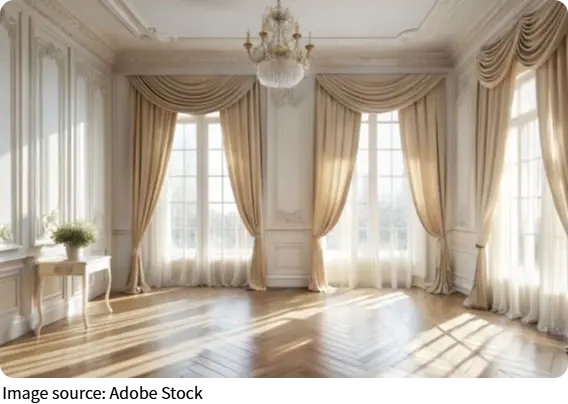
Dining Area Style
In a dining area, curtains can nudge the room toward either casual charm or a more polished feel. Richer shades can add depth and make the space feel more intimate, while lighter tones keep it fresh and easygoing. If the room gets plenty of daylight, a slightly deeper curtain color can help balance the brightness. If not, sheer or light-filtering curtains in pale shades can keep things from feeling flat. The goal is to support the room without making it feel stiff.
Kitchen Simplicity
Kitchen curtains usually work best when they stay practical and cheerful. Light colors are often the safe stars here because they help the room feel clean and open. White, soft gray, pale blue, or gentle green can all suit the space well. If the kitchen already has busy tile, patterned flooring, or colorful cabinets, simple curtains can keep the visual noise from turning into a marching band. Easy-care fabric is also important, since kitchens tend to collect splashes and everyday mess faster than any room likes to admit.
Home Workspace Balance
For a workspace at home, curtain color can quietly shape focus. Soft neutrals help reduce distraction and keep the room feeling clean and organized. Blue and green tones are often good choices if you want a steady, calm mood. If the room doubles as a creative space, a warmer shade can add energy without making the room feel chaotic. Natural light matters a lot here, so curtains should help manage glare while still letting in enough brightness to keep the space lively.
How To Pull It Together
Patterned curtains can be useful when a room needs movement or personality, but they should repeat at least one color already used in the space. That keeps them from feeling random. If you are unsure, bring home fabric swatches and check them in morning and afternoon light, since color changes like a moody actor depending on the sun. Also consider curtain hardware, fabric weight, and length, because color is only one part of the story. A lovely shade in the wrong fabric can still feel off.
Curtains are not just window coverings. They are mood setters, light tamers, and quiet style helpers. So when choosing a curtain color, think about the feeling you want in each room, then connect that feeling to the colors and textures already around you. A thoughtful choice can make the whole space feel more complete, more comfortable, and a lot more like home.