Coral Flowers That Work

Luca
| 12-11-2026
 · Plant Team
Welcome back. Coral flowers look simple to arrange until you actually try it.
Drop a bunch of coral zinnias into a clear vase with nothing else and the color reads flat, almost orange in low light, almost pink in sun. But pair that same stem with the right neighbors and it turns into the most versatile color on your table. The trick isn't the coral itself. It's what you put beside it.
Start with the undertone, not the name
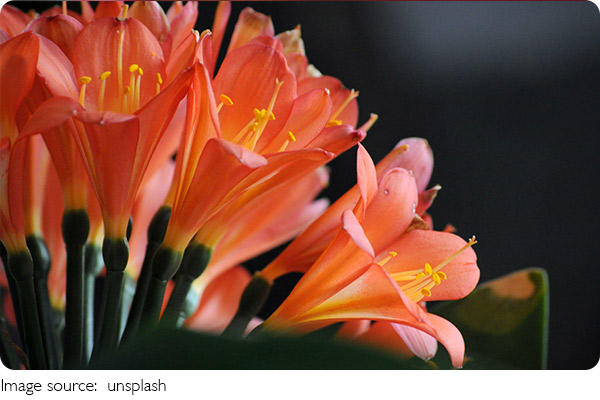
Coral sits between orange and pink, and every stem leans one way. A coral dahlia like 'Labyrinth' runs warm and peachy, while a coral gerbera leans distinctly pink. Before you buy a single stem, hold it against white paper in daylight. If it pulls orange, you'll want cool partners. If it pulls pink, you can go warmer. Skip this step and you'll spend the whole arrangement fighting a clash you can't name.
Cool greens calm the heat
Coral has a lot of energy, so give it something quiet to sit against. Eucalyptus, silver brunia, and dusty miller all carry a gray-green tone that drops the temperature without dulling the bloom. A handful of seeded eucalyptus tucked under five coral roses changes the whole read, from "loud" to "considered." Avoid bright yellow-greens like young ivy. They compete with coral instead of supporting it.
Pair with deep blues and plums
This is the combination that surprises people. Coral against deep blue delphinium or dark plum calla lilies creates contrast without noise, because the blues are dark enough to recede. A coral ranunculus next to a single stem of blue thistle looks deliberate. The same ranunculus next to bright purple stock looks confused. Keep the blue side deep, not pastel.
Let white do the spacing work
White flowers aren't filler here, they're punctuation. Small white blooms like chamomile, feverfew, or white astrantia create visual gaps between coral clusters so the eye can rest. In a mixed bouquet, three or four white stems spread through a coral arrangement stop the color from reading as one solid block. That's the difference between a bouquet that looks designed and one that looks dumped.
Watch the ratio and the light
Coral dominates fast. Keep it to roughly a third of the arrangement and let greens and neutrals carry the rest. Also check where the flowers will sit. Coral in a north-facing room reads cooler and pinker, so warm it up with peach or soft yellow accents. In direct afternoon sun, the same coral goes orange, so lean toward white and blue partners to hold it steady.
Test it in the vase, not the shop
Buy one stem first, bring it home, and hold it against what you already own. A coral stem that looked perfect under shop lighting can go dull against your cream tablecloth or clash with a patterned vase. Five minutes of testing at home saves you from a full arrangement you don't want to display.
Coral isn't a color you build around, it's a color you balance. Get the undertone right, give it cool greens and deep blues to lean on, and let white open up the space between clusters. Next time you reach for a coral stem, hold it against something gray-green before you commit. You'll see the arrangement before you build it.